


Nepal is a land where the rhythm of life is dictated by the moon and ancient traditions. Beyond the snow-capped peaks of the Himalayas lies a vibrant tapestry of culture, where every month brings a new reason to celebrate. For the discerning traveler, witnessing festivals in Nepal is not just about sightseeing; it is an invitation to witness a living heritage that has remained unchanged for centuries.
Whether you are finding solace at Hotel Barahi by the serene Phewa Lake or waking up to a Himalayan sunrise at Sarangkot Mountain Lodge, the spirit of Nepalese hospitality is best experienced through our local celebrations.
Major Hindu Festivals in Nepal
Hinduism forms the spiritual backbone of the country, and its festivals are grand affairs involving intricate rituals, family reunions, and deep devotion.
Dashain (Vijaya Dashami)
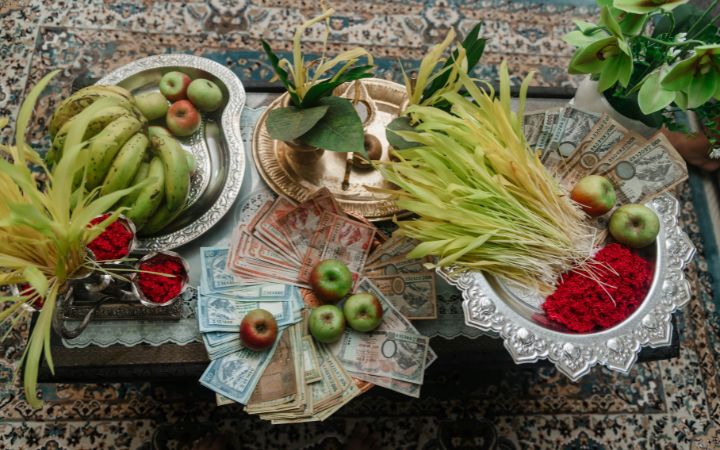
Often asked, “What is the main festival of Nepal?” The answer is undoubtedly Dashain. Spanning 15 days, it celebrates the victory of Goddess Durga over the demon Mahishasura. In 2026, the main day, Vijaya Dashami, falls on October 21. Expect to see families gathered for tika and jamara blessings, and giant bamboo swings (ping) erected in open fields.
Tihar (Deepawali)
The “Festival of Lights” is perhaps the most photogenic Nepal festival. Over five days, Nepalis honor crows, dogs, cows, and the Goddess Laxmi. The highlight is Laxmi Puja, where homes are adorned with oil lamps (diyas) and colorful rangoli to welcome prosperity. The celebration concludes with Bhai Tika, honoring the bond between brothers and sisters.
Holi – The Festival of Colors
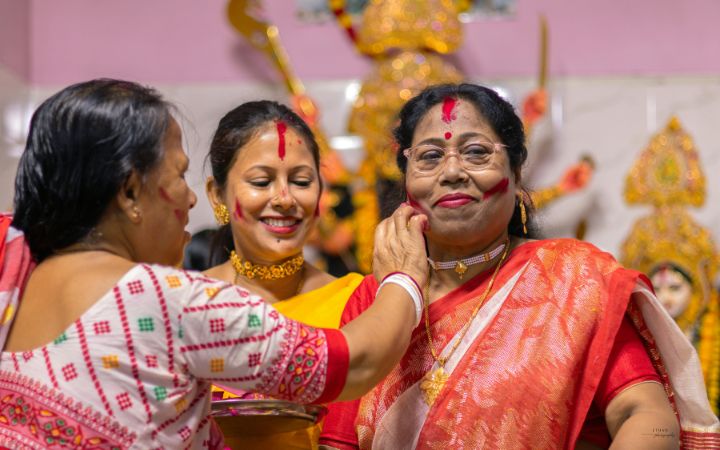
Marking the arrival of spring, Holi (Fagu Purnima) is a joyous explosion of colored powder and water. In the hilly regions and Kathmandu, it will be celebrated on March 2, 2026. It is a time when social barriers dissolve, and the streets become a canvas of vibrant hues.
In the Terai region, however, Holi feels even more vibrant and extended, with larger community gatherings, cultural music, and open celebrations that last longer than in the hills. If you’re planning to experience Terai Holi at its liveliest, staying at a hotel in Chitwan allows you to enjoy the festivities while relaxing close to nature and wildlife after a colorful day.
Maha Shivaratri
Dedicated to Lord Shiva, thousands of devotees and Sadhus (holy men) congregate at the Pashupatinath Temple in Kathmandu. The night is filled with bonfires, hymns, and the ethereal glow of oil lamps, marking the “Great Night of Shiva.”
Krishna Janmashtami
This festival celebrates the birth of Lord Krishna. At the stone-carved Krishna Mandir in Patan Durbar Square, devotees gather for midnight prayers, while processions carry beautifully decorated idols of the deity through the streets.
Teej
A festival primarily for women, Teej sees the streets of Nepal turn into a sea of red saris. Women fast and visit temples to pray for the longevity of their husbands or for a blessing of a good partner, accompanied by traditional folk songs and dancing.
Rishi Panchami
Observed two days after Teej, this day is dedicated to the seven sages (Saptarishi). Women perform ritual baths in holy rivers like the Bagmati to seek purification and pay homage to the ancient seers.
Naag Panchami
In early August, Nepalis worship the snake gods (Naag). Pictures of snakes are pasted above the doorways of houses to ward off evil spirits and bring protection to the household during the monsoon.
Janaipurnima (Raksha Bandhan)
On this full moon day, Hindu men change their sacred thread (Janai), and priests tie yellow protective threads around the wrists of devotees. It is also famous for the “Kwati” soup, a nutritious blend of nine different sprouted beans.
Buddhist Festivals Celebrated in Nepal
The birthplace of Lord Buddha, Nepal, holds a sacred place for the global Buddhist community.
Buddha Jayanti
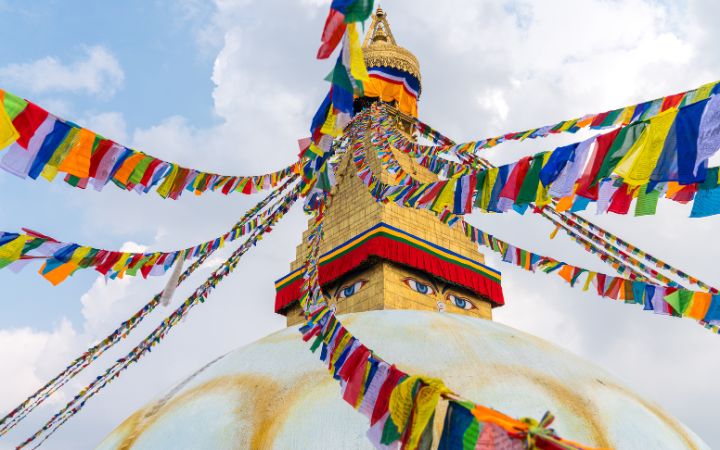
Celebrating the birth, enlightenment, and death of Gautama Buddha, this festival is a serene experience. The stupas of Boudhanath and Swayambhunath are draped in prayer flags, and thousands of butter lamps are lit in a stunning display of faith.
Lhosar
Lhosar is the Tibetan New Year, celebrated by the Sherpa, Tamang, and Gurung communities. There are three types: Tamu Lhosar, Sonam Lhosar, and Gyalpo Lhosar. Each features traditional mask dances, community feasts, and the hoisting of new prayer flags at monasteries.
Festivals Celebrated in Kathmandu
The Kathmandu Valley is a museum of living culture, home to unique Jatras (chariot processions) that are exclusive to its historic cities. If you’re planning to experience these vibrant celebrations firsthand, it’s wise to book hotel in Kathmandu early, as accommodations fill quickly during major festivals.
Bisket Jatra
Celebrated in Bhaktapur during the Nepali New Year (mid-April), featuring a fierce tug-of-war between the upper and lower parts of the city.
Rato Machchhendranath Jatra
The longest chariot festival in Nepal, where a towering wooden chariot of the Rain God is pulled through the streets of Patan.
Indra Jatra
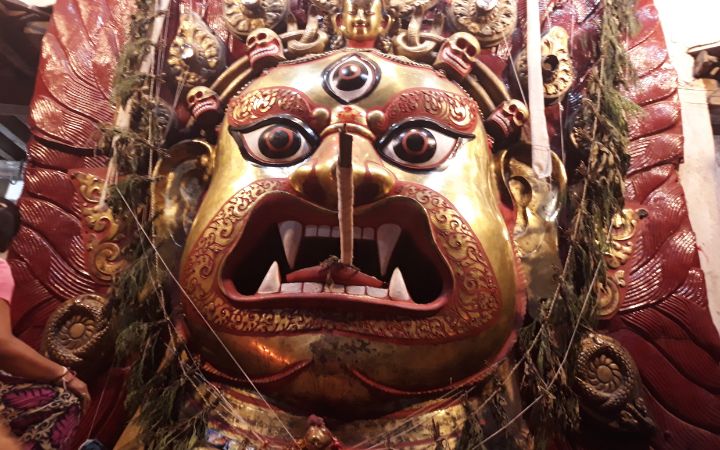
A grand eight-day festival in Kathmandu Durbar Square, where the Living Goddess Kumari makes a public appearance in her chariot.
Ghode Jatra
The “Festival of Horses” at Tundikhel, featuring equestrian displays by the Nepal Army to trample the “demon” spirit under the horses’ hooves.
Gai Jatra
The “Festival of Cows,” where families who have lost a loved one in the past year lead a cow (or a child dressed as one) through the streets, blending satire and humor to process grief.
Nepal’s Festivals Reflect Unity in Diversity
While deeply rooted in Hindu and Buddhist traditions, Nepal is a secular nation that thrives on religious harmony.
Christmas
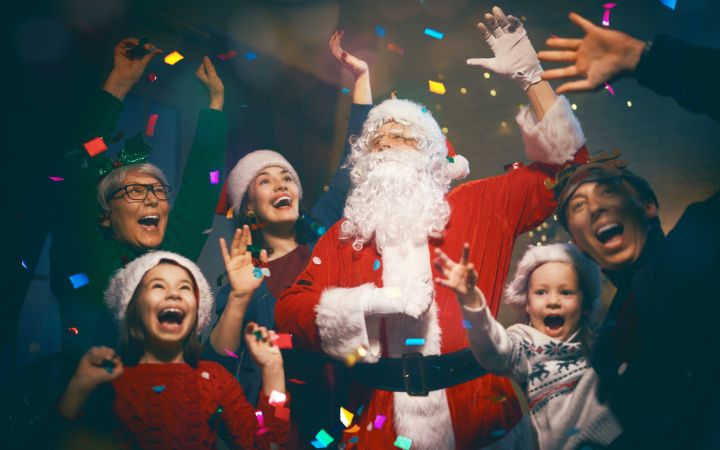
In the bustling hubs of Thamel and Pokhara’s Lakeside, Christmas is celebrated with festive dinners, sparkling decorations, and a shared spirit of joy among locals and tourists alike. Many travelers choose to stay at a hotel in Lakeside, Pokhara to enjoy beautifully decorated surroundings, special holiday menus, and serene views of Phewa Lake during the festive season.
Ramadan and Eid
The Muslim community in Nepal observes Ramadan with fasting and prayer, culminating in the joyous celebrations of Eid al-Fitr, where “Sewai” (sweet vermicelli) is shared with neighbors of all faiths.
Nepal’s festivals are a testament to a culture that finds divinity in nature, family, and the community. Whether you seek the “night of Shiva” or the “festival name in Nepal” that resonates with your spirit, we invite you to experience these traditions with us.