


Imagine stepping off a small plane or a winding mountain road and feeling the air suddenly soften. To your left, the emerald waters of Phewa Lake shimmer in the breeze; to your right, the jagged, snow-dusted spine of the Annapurna range pierces a sapphire sky. This is Pokhara—a sanctuary for those about to face the giants of the earth and a haven for those who have just returned from them.
The transition from the high-velocity chaos of Kathmandu to the rhythmic calm of Lakeside Pokhara is the first step of any successful journey. Whether you are bracing for the thin air at the Thorong La Pass or returning with the dust of the Annapurna Base Camp on your boots, choosing Pokhara before and after expeditions transforms a grueling trek into a lifelong memory.
Why Pokhara Is the Ideal Base for Himalayan Expeditions
Pokhara is more than just a scenic city; it is the strategic heartbeat of Nepal’s trekking industry.
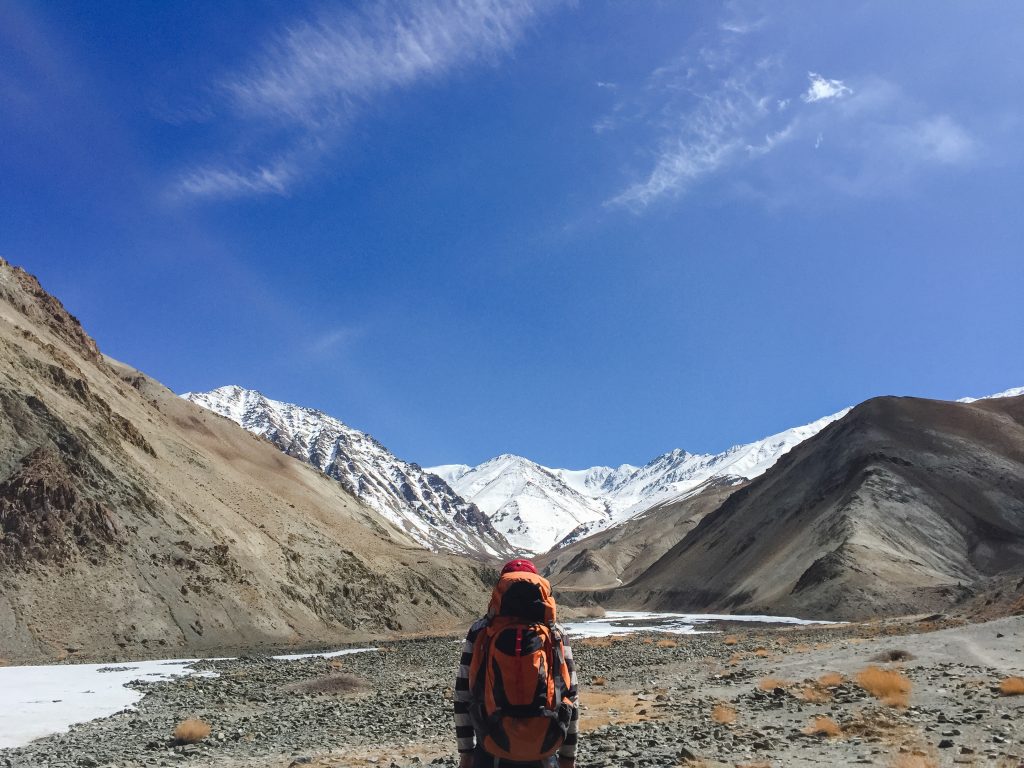
Gateway to the Giants:
It serves as the primary launchpad for the Annapurna Base Camp, Poon Hill, Mardi Himal, and the legendary Annapurna Circuit.
Logistical Hub:
From here, you are minutes away from securing trekking permits (ACAP and TIMS), hiring experienced local guides, and coordinating private transport to trailheads like Nayapul or Ghandruk.
The Atmospheric Advantage:
Unlike the dusty, high-energy streets of other urban centers, Pokhara’s atmosphere is built for focus. It allows trekkers to mentally “gear up” in a space that mirrors the serenity of the mountains they are about to climb.
Preparing for Your Expedition in Pokhara
Organizing Trekking Logistics
Most travelers spend their first 48 hours here coordinating with travel agencies. Whether you need to find a porter who knows the hidden shortcuts of the Mardi Himal or a licensed guide to manage your safety, Lakeside is home to the country’s most seasoned operators.
Buying and Renting Trekking Gear
Forgot your down jacket? Need an extra pair of trekking poles? Lakeside’s shops offer everything from high-end international brands to affordable rentals. For budget-conscious travelers, renting heavy gear in Pokhara saves you from hauling it across international flights.
Physical and Mental Preparation
Acclimatization and Altitude Awareness
Pokhara sits at a modest 822 meters, but your expedition will likely take you above 4,000 meters. Use your stay here to review the symptoms of altitude sickness—headaches, nausea, and dizziness. Mental preparation in Pokhara ensures you don’t rush your ascent, respecting the “climb high, sleep low” philosophy.
The Convenience of Pokhara for Trekking Travelers
Logistics can often be the most stressful part of a Himalayan journey, but Pokhara is designed to take the friction out of the experience. It serves as a high-functioning “base camp” where the infrastructure of a modern city meets the needs of the wilderness. From the moment you arrive, you’ll find that everything from transportation to emergency medical support.
Easy Access from Kathmandu
Reaching the mountains shouldn’t be an expedition in itself. Travelers can choose between a scenic 25-minute flight into the new Pokhara International Airport, offering an aerial preview of the peaks, or a 7–9 hour journey via tourist bus. For those seeking a balance of comfort and value, the “VIP Sofa” buses have become the gold standard in 2026, while private transfers offer the ultimate flexibility for groups wanting a direct, door-to-door connection from Kathmandu or the airport.
Smooth Connectivity to Trekking Trailheads
Essential Services in One Place
The city functions as a vital safety net, housing every “just in case” service a trekker might need. Lakeside is packed with high-density ATMs and currency exchanges, which are essential since cash is the only currency accepted in remote teahouses. For safety, the city offers specialized pharmacies and hospitals familiar with altitude-related concerns, alongside travel agencies that provide direct travel insurance support and coordinate emergency helicopter evacuations if needed.
Why Travelers Love Staying in Lakeside Pokhara Before a Trek
Travelers often find Lakeside Pokhara to be the ultimate sanctuary before embarking on a trek, primarily due to its perfect blend of serenity and preparation. The experience typically begins with morning walks beside Phewa Lake, where the calm surroundings and iconic mountain reflections offer a peaceful headspace before physically demanding journeys. This tranquil atmosphere is complemented by a vibrant culinary scene that caters to every trekker’s needs; whether you are looking for international restaurants and healthy cafes to fuel up or seeking the heartiness of traditional Nepali dal bhat, momos, and thukpa, the area provides essential nutrition before expeditions.
Furthermore, the diverse range of accommodations ensures that every type of adventurer finds their comfort zone. From the indulgence of luxury stays and the charm of boutique guesthouses to the social vibe of backpacker hostels and the conscious choice of eco-friendly accommodations, Lakeside serves as a versatile basecamp where comfort meets convenience.
Recovery After Days in the Himalayas
There is a unique kind of exhaustion that comes after days spent walking through the Himalayas. Your legs feel heavier than ever before, your skin carries traces of mountain wind and sun, and your mind slowly begins to process the sheer scale of what you have experienced. After living among rugged trails, suspension bridges, and remote teahouses, returning to Pokhara feels almost surreal. The city welcomes you back gently—with warmth, comfort, and the kind of stillness your body desperately craves.
For many trekkers, Pokhara becomes more than just a return point. It becomes part of the recovery itself.
Muscle Recovery and Fatigue Management
After days of climbing steep stone staircases and navigating uneven mountain terrain, physical recovery becomes essential. Pokhara offers travelers the opportunity to slow down and allow their bodies to heal properly before continuing onward.
Many trekkers spend their first day back doing almost nothing at all—sleeping in soft beds, stretching tired muscles, and simply enjoying the absence of altitude.
Massage therapy and wellness treatments have become increasingly popular among returning trekkers. A deep-tissue massage after the Annapurna Circuit or a relaxing spa session following Mardi Himal can significantly reduce soreness and stiffness. Combined with proper hydration, nutritious meals, and uninterrupted sleep, these small comforts help restore the body far faster than travelers often expect.
Reconnecting with Comfort
One of the greatest luxuries after trekking is rediscovering the simple comforts that felt impossible in the mountains. Hot showers suddenly feel extraordinary. Clean clothes become deeply satisfying. Sleeping through the night without layers of thermal wear or the sounds of crowded teahouses feels like a reward earned through every uphill climb.
Pokhara provides exactly that transition back into comfort. Lakeside hotels, peaceful cafes, and lakeside restaurants allow travelers to reconnect with ease and relaxation without losing the mountain atmosphere entirely. Fresh meals replace repetitive trekking menus, while relaxed evenings beside Phewa Lake offer a slower rhythm after the intensity of expedition life.
There is something deeply healing about sitting beside the water with a warm drink in hand while the Annapurna range glows faintly in the distance. It allows trekkers to remain connected to the mountains while finally resting from them.
Celebrating the Journey
For many travelers, completing a Himalayan trek is more than a vacation milestone. Pokhara naturally becomes the place where these accomplishments are celebrated.
Group dinners often stretch late into the evening as trekkers relive difficult climbs, unexpected weather, and unforgettable viewpoints.
Lakeside’s vibrant cafes, restaurants, and live music venues create the perfect environment to reconnect with fellow travelers before everyone moves on to different corners of the world.
Stories that felt overwhelming on the trail suddenly become memories worth laughing about. Thousands of photographs are reviewed over coffee tables. New friendships formed in the mountains often become strongest during these quiet post-expedition days in Pokhara.
Mental Recovery and Reflection
While physical recovery is important, the emotional side of trekking is often overlooked. Multi-day expeditions in the Himalayas are mentally intense experiences. The simplicity of mountain life, the physical exhaustion, and the overwhelming beauty of the landscapes often create a rare sense of clarity that travelers struggle to immediately leave behind.
Pokhara gives trekkers the space to process that transition slowly.
Many travelers choose to spend their final days here practicing yoga, meditation, or simply enjoying long walks beside the lake. The slower pace of the city helps ease the shift back into everyday life after spending days disconnected from the modern world.
For some, Pokhara becomes the place where the emotional impact of the Himalayas truly settles in. It is where trekkers reflect on challenges they overcame, moments of silence they experienced high in the mountains, and the powerful connection they formed with Nepal’s landscapes and people.
In many ways, the journey does not end on the trail—it ends here, beside the lake, where the mountains can still be seen in the distance.
Best Things to Do in Pokhara Before or After an Expedition
Pokhara is not simply a place to pass through on the way to the mountains. It is a destination that deserves to be experienced slowly. Whether you are preparing for the challenges ahead or recovering from days spent deep in the Himalayas, the city offers a balance of adventure, culture, relaxation, and reflection that perfectly complements the trekking experience.
Boating on Phewa Lake
Few experiences in Pokhara feel as timeless as drifting across the calm waters of Phewa Lake. Early mornings bring glass-like reflections of the Annapurna range, while evenings transform the lake into a canvas of golden light and distant mountain silhouettes.
For trekkers preparing for an expedition, boating offers a rare moment of calm before the physical demands ahead. For those returning from the mountains, it becomes an opportunity to slow down, breathe deeply, and absorb the experience they have just completed.
The gentle rhythm of the lake perfectly mirrors the pace Pokhara encourages travelers to embrace.
Sunrise at Sarangkot
Watching sunrise from Sarangkot is often the moment travelers truly understand the scale of the Himalayas. Before dawn, the hills remain silent and shadowed. Then slowly, as the first rays of sunlight strike the peaks of Annapurna, Machhapuchhre, and Dhaulagiri, the mountains begin glowing in shades of gold and orange.
For the best experience, many visitors choose to stay at a hotel in Sarangkot, allowing them to reach the viewpoint within minutes and witness the breathtaking transformation of the Himalayan skyline without the rush of an early-morning commute.
For many trekkers, this becomes both an introduction and a farewell to the Himalayas.
Before an expedition, the view builds excitement and anticipation for the journey ahead. After returning, the same mountains feel different—more personal, more meaningful—because travelers now carry memories from within those landscapes themselves.
Visit the World Peace Pagoda
Perched high above the lake, the World Peace Pagoda offers one of Pokhara’s most peaceful viewpoints. Reaching it requires a short hike or drive, but the reward is a panoramic perspective of the valley, Phewa Lake, and the surrounding mountains.
The atmosphere here feels intentionally slower. Travelers often spend time sitting quietly, reflecting, or simply enjoying the silence after the busy energy of trekking routes and tourist streets.
For those recovering from an expedition, the pagoda becomes a space for mental stillness as much as sightseeing.
Adventure Activities for Extra Thrill
Not everyone arrives in Pokhara ready to slow down immediately. For adventure seekers, the city continues the adrenaline long after the trekking ends.
Paragliding above Phewa Lake remains one of Pokhara’s signature experiences, offering unmatched aerial views of the Himalayas and the valley below. Ziplining, ultralight flights, mountain biking, and bungee jumping also attract travelers wanting to add one final rush of excitement to their Nepal journey.
The unique beauty of Pokhara lies in this contrast—it allows travelers to choose between complete relaxation and high-energy adventure within the same day.
Explore Local Culture
Beyond the mountains and adventure sports, Pokhara also reveals a softer cultural side. Wandering through local markets, visiting temples, or enjoying traditional Nepali meals allows travelers to connect with the everyday rhythm of the city.
The old bazaars showcase a different atmosphere from Lakeside, where local life continues beyond tourism. Small tea shops, artisan stores, and family-run restaurants provide moments of genuine cultural interaction that many trekkers deeply appreciate after spending days in remote villages.
Experiencing local culture grounds the expedition experience, reminding travelers that Nepal is not only about mountains, but also about the people and traditions that shape life beneath them.
How Many Days Should You Stay in Pokhara?
Before Your Expedition
More importantly, these days create space to rest before entering physically demanding terrain. Travelers who rush directly into trekking often begin exhausted before the real challenge even starts.
After Your Expedition
Suggested Pokhara Itinerary for Trekkers
Luxury Recovery Experiences with Hotel Barahi Properties
Lakeside Comfort at Hotel Barahi Pokhara
Mountain Serenity at Sarangkot Mountain Lodge
Extending the Journey Beyond the Mountains
Quick Pokhara Planning Tips for Trekkers
- Book domestic flights early during peak trekking seasons, especially in spring and autumn
- Carry layered clothing, as temperatures can shift dramatically between Pokhara and higher elevations
- Keep sufficient cash for remote trekking routes where digital payments are unavailable
- Arrange comprehensive travel insurance before beginning any expedition
- Stay consistently hydrated before ascending to higher altitudes
- Reserve accommodations in advance during busy trekking months to avoid limited availability
Conclusion: Pokhara Is More Than a Gateway
At first glance, Pokhara may appear to be simply the starting point for Himalayan expeditions. But for those who spend time here, the city becomes something far more meaningful.
It is where anticipation quietly builds before stepping into the mountains. It is where tired bodies recover after days spent crossing high passes and remote trails. It is where stories are shared over warm meals, where photographs are revisited beside the lake, and where travelers slowly process the emotional weight of the Himalayas before returning home.
Pokhara exists in the space between adventure and comfort. It allows trekkers to prepare mentally before the climb and reflect deeply after the journey ends. The mountains may be the destination that first draws travelers to Nepal, but for many, Pokhara becomes the place they remember just as vividly.
Because in the end, the expedition is not only about reaching the mountains—it is also about the moments before them, and the peace that follows after.