

Winter in Nepal is one of the country’s sweetest travel secrets!
From picture-perfect mountain views and cozy, sunlit temple courtyards to tucking into a steaming bowl of local soup, this season brings a lovely, relaxed rhythm to your journey. Down in the southern Terai plains, the cool weather makes wildlife safaris super comfortable, while the high hills offer dreamy spots to watch the snow fall.
Whether you are dreaming of easygoing city sightseeing, catching your very first snowfall, lacing up your boots for a fresh mountain walk, or simply unwinding at a luxury retreat with a hot cup of tea, Nepal in winter has a special nook just for you. The key is choosing the destinations that match your ideal travel style!
Key Takeaways
1. Winter is one of the best times to visit Nepal, offering clear mountain views, pleasant daytime weather, peaceful sightseeing, and fewer crowds.
2. Kathmandu is ideal for winter cultural sightseeing, with ancient temples, UNESCO World Heritage Sites, historic Durbar Squares, and vibrant local markets.
3. Pokhara offers beautiful winter experiences, from boating on Phewa Lake and exploring Lakeside to enjoying clear views of the Annapurna and Machhapuchhre ranges.
4. Sarangkot and Nagarkot are popular winter destinations for Himalayan sunrise views, peaceful hilltop stays, and breathtaking mountain scenery.
5. Chitwan is perfect for winter wildlife safaris, with comfortable temperatures for jeep safaris, canoe rides, jungle walks, and migratory birdwatching.
6. Kalinchowk, Chandragiri, and Phulchowki are popular places to experience snowfall near Kathmandu, depending on winter weather conditions.
7. Nepal offers several winter trekking opportunities, including Ghorepani Poon Hill, Langtang Valley, Mardi Himal, and the Everest View Trek.
8. Winter is an excellent season for exploring Nepal’s national parks, particularly Chitwan, Bardia, and Koshi Tappu for wildlife encounters and birdwatching.
9. December to February is the winter season in Nepal, with January generally being the coldest month and December offering favorable conditions for sightseeing.
10. Planning a winter holiday in Nepal requires suitable clothing and flexible travel arrangements, especially for high-altitude destinations where snowfall, icy trails, and flight delays can affect travel plans.
Why Visit Nepal in Winter?
If you love sunshine, big views, and peaceful vibes, winter might just become your favorite time to explore Nepal. Here is why this season is so special:
- Crystal-Clear Mountain Views: Winter mornings bring the brightest blue skies of the whole year. Wake up early, step outside, and watch the Himalayan range glow under the soft morning sun.
- Comfortable Daytime Sightseeing: Say goodbye to sticky summer heat! Lower-elevation spots enjoy delightfully fresh, sunny days; perfect for strolling around town at your own easy pace.
- Quiet, Sunlit Cultural Exploration: Wander through the Kathmandu Valley’s ancient temples, golden stupas, and historic stone courtyards alongside local sunbathers and friendly pilgrims.
- Prime Wildlife & Birdwatching Weather: Over in Chitwan and the Terai lowlands, comfortable temperatures make jungle excursions so much fun. It’s also peak season to spot colorful migratory birds hovering over mist-kissed rivers!
- A Chance to Play in the Snow: If you’re dreaming of a white winter, select hill stations and high-mountain villages turn into magical snowy playgrounds.
- Deliciously Comforting Food: Nothing beats coming in from the cool air to a hot, fragrant meal. Winter is the ultimate excuse to indulge in piping hot momo dumplings, rich thukpa noodle soup, hearty dal bhat, and endless cups of sweet, spiced Nepalese tea.
Winter Travel Trade-Offs: What to Keep in Mind
While winter brings golden sunshine and quiet trails, it does come with a few seasonal quirks to keep in mind. The nights get quite chilly across the country, daylight hours are shorter, and early morning fog can occasionally cause temporary domestic flight or road delays. High-altitude trekking also becomes significantly more demanding due to freezing temperatures, icy paths, and closed passes. However, as long as you pack warm layers, keep your daily schedule a little flexible, and choose routes that match your experience level, these minor trade-offs are easy to manage and well worth the peaceful winter magic.
15 Best Places to Visit in Winter in Nepal
With proper planning and understanding, winter provides fantastic conditions for exploring Nepal. Here are 15 of the best winter destinations, featuring everything from short cultural breaks to advanced treks. Dive into the list and enjoy!
1. Kathmandu: Temples, Heritage and City Experiences
As the capital city, Kathmandu is a vibrant blend of ancient history and modern Nepalese life. Winter mornings bring crisp air and a quiet calm to the valley, offering pleasant sightseeing conditions before the afternoons warm up under clear skies.
A trip here centers around exploring the Kathmandu Valley’s iconic UNESCO World Heritage Sites. You can wander through the historic stone courtyards of Basantapur (Kathmandu Durbar Square), climb the steps to Swayambhunath (the Monkey Temple) for sweeping valley views, or join pilgrims circling the massive white dome of Boudhanath Stupa. At Pashupatinath Temple along the Bagmati River, you can observe deep-rooted Hindu traditions. In the evenings, the lively historic neighborhoods around Thamel and Basantapur offer cozy cafes and restaurants where you can warm up with authentic Nepalese cuisine, from steaming bowls of thukpa to handcrafted momos.
Recommended: 2–3 days
Where to stay: Located right near Tridevi Sadak in Thamel, Hotel Barahi Kathmandu serves as an elegant, peaceful base for exploring the capital’s cultural landmarks and vibrant city life.
2. Pokhara: Lakeside Views and Himalayan Sunrises
Pokhara is one of Nepal’s most beloved destinations, offering a beautiful mix of serene waters and grand mountain backdrops. During winter, the town enjoys delightfully mild, sunny days, making outdoor strolls and sightseeing pure joy.
A winter escape here revolves around quiet lake moments and scenic spots. You can glide across calm waters on a wooden boat to visit Tal Barahi Temple on Phewa Lake, head up to the World Peace Pagoda for sweeping valley views, or discover natural wonders like Devi’s Falls and Gupteshwor Cave. Spending unhurried time along the lively Lakeside boulevard, popping into cozy cafes and craft shops, is a treat in itself. On clear winter days, the snow-capped peaks of Machhapuchhre (Fishtail) and the Annapurna range reflect brightly on the lake, giving you picture-perfect views from morning till dusk.
Recommended: 2–3 days
Where to stay: For timeless lakeside charm and relaxing gardens right near the water, Hotel Barahi Pokhara is your ideal haven. If you prefer a chic, modern boutique stay in the heart of Lakeside, Aabas Pokhara offers stylish comfort and easy access to the town’s vibrant dining scene.
3. Sarangkot: Sunrise Over the Himalayas
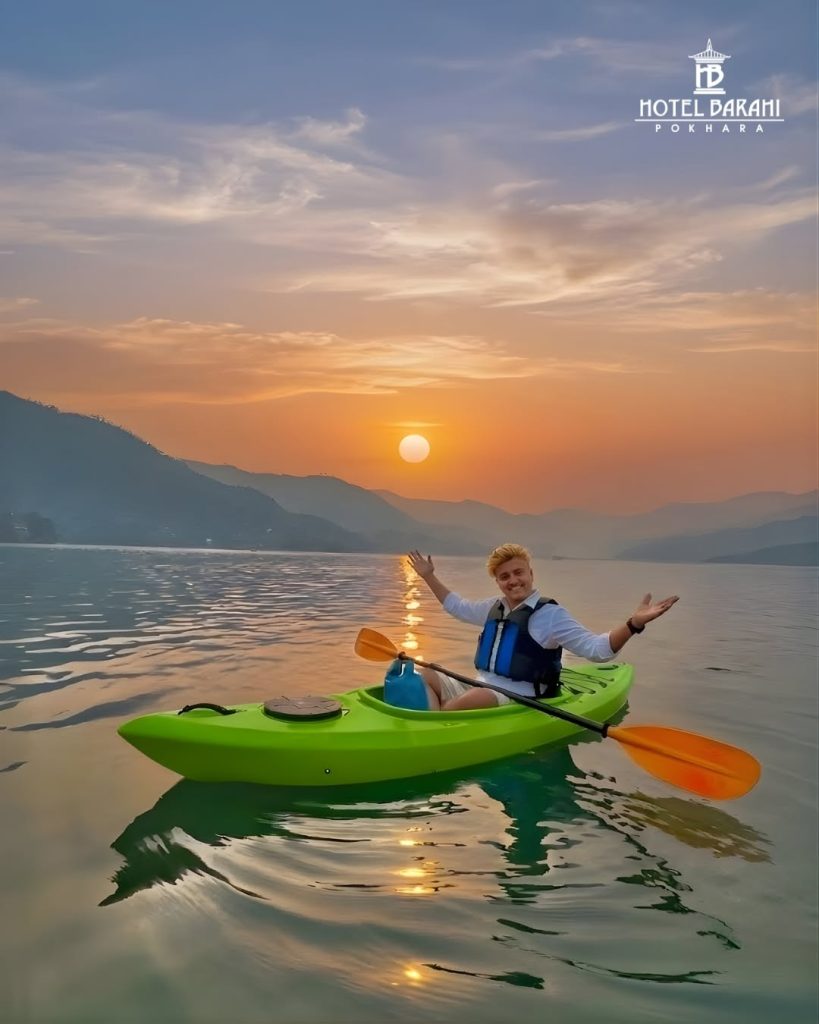
Perched high on a ridge above the Pokhara Valley, Sarangkot is famous for delivering front-row views of the Himalayas. While many visitors drop by for a quick dawn trip, staying overnight lets you soak in the peaceful hill-station vibes as the sun paints the peaks.
The real highlight is waking up early to watch the sunrise. As dawn breaks, the golden light slowly touches the icy ridges of Dhaulagiri, Machhapuchhre, and the Annapurna range, creating a breathtaking morning show over the valley below. When weather conditions align, Sarangkot is also Nepal’s top spot for tandem paragliding; giving brave travelers a chance to float through crisp winter skies with snow-capped giants in the background.
Recommended: 1–2 nights
Where to stay: Sarangkot Mountain Lodge turns this hilltop view into an unforgettable luxury escape. With floor-to-ceiling windows and private balconies overlooking the mountains, you can take in the breathtaking vistas while staying delightfully cozy inside.
4. Chitwan: Wildlife Safaris and Riverside Retreats
Over in the southern Terai plains, Chitwan National Park offers a completely different winter experience. The heavy summer humidity gives way to pleasant, comfortable days, making it a fantastic season for jungle adventures and riverside relaxation.
Your days in Chitwan can be filled with thrilling jeep safaris, peaceful river canoeing, guided nature walks, and immersing yourself in vibrant Tharu cultural traditions. Winter is also prime time for birdwatching, as colorful migratory birds flock to the rivers. While morning mist can sometimes add a dreamy haze over the landscape, and wild animal sightings are never guaranteed, exploring the tall grass and riverbanks in the cool winter air is an adventure you’ll love.
Recommended: 2–3 nights
Where to stay: Nestled along the serene Rapti River in Meghauli, Barahi Jungle Lodge offers an eco-luxury retreat deeply connected with nature. Here, you can enjoy expert-guided wildlife safaris, serene river views, and exquisite riverside dining under the warm winter sun.
5. Nagarkot: Winter Sunrises and Mountain Views
Nagarkot is one of the easiest and most rewarding quick escapes from Kathmandu, perched along the valley rim just an hour or two’s drive away. It is best known for its sweeping, wide-angle mountain vistas and gentle countryside walks through quiet pine forests.
On clear winter mornings, waking up early here rewards you with breathtaking sunrise views over multiple Himalayan ranges, including distant glimpses of Mount Everest on extra-crisp days. While a passing winter weather system might occasionally dust the hills in a light powder of snow, it isn’t a daily guarantee, so come primarily for the peaceful scenery, fresh mountain air, and cozy hilltop relaxation.
Recommended stay: 1 night
6. Bandipur: Traditional Architecture and Slow Travel

Perched high on a ridge between Kathmandu and Pokhara, Bandipur feels like a timeless open-air museum. This beautifully preserved hilltop town is famous for its classic Newari architecture, intricately carved wooden doorways, and warm stone-paved streets that are entirely free of vehicle traffic.
Bandipur is tailored for travelers who adore slow, easygoing exploration. You can spend your days wandering the pedestrian-friendly main bazaar, lingering over warm tea at outdoor cafes, tasting authentic local Newari dishes, or walking to nearby hilltops for uninterrupted views of the valley below. It is a peaceful, authentic cultural stop that invites you to slow down and savor the moment.
Recommended stay: 1–2 nights
7. Ghandruk: Gurung Culture and Mountain Scenery
Nestled in the foothills of the Annapurna range, Ghandruk is a picturesque stone-built village steeped in rich Gurung heritage. It offers front-row views of Annapurna South, Hiunchuli, and the iconic peak of Machhapuchhre right from village courtyards.
Visitors can explore local cultural museums, try on traditional Gurung attire, and stroll along ancient slate pathways lined with friendly traditional homestays and teahouses. Winter brings stunning clarity to the mountain backdrops, though frosty mornings and occasional snowfall can make stone steps a bit slick—so pack sturdy footwear and enjoy cozy evenings around warm village hearths.
Recommended stay: 1–2 nights (depending on your walking route)
8. Dhampus and Australian Camp: Short Himalayan Walks
If you want the thrill of Himalayan hiking without committing to a long, strenuous trek, Dhampus and nearby Australian Camp offer the ultimate short mountain escape. Located just a short drive and gentle uphill hike from Pokhara, these scenic ridge spots welcome you with warm village hospitality and dramatic mountain panoramas.
The easy walking trails wind through quiet woods and terraced fields, making them ideal for families or casual walkers. You get to soak in sunrise views over the Annapurna range and stay in rustic, friendly teahouses along the ridge. Just be sure to check trail conditions and lodge availability in advance, as winter off-season operations can vary.
Recommended stay: 1–2 nights
9. Kalinchowk: One of Nepal’s Popular Snowfall Destinations
Perched at an altitude of 3,842 meters in the Dolakha district, Kalinchowk is a go-to spot for locals and travelers eager to experience a winter wonderland. At its heart is the revered Kalinchowk Bhagwati Temple, sitting high on a dramatic rocky ridge above the cozy, snow-dusted village of Kuri.
When winter weather systems roll in between December and February, Kuri Village transforms into a snowy playground perfect for snowball fights, cozy bonfires, and scenic cable car rides up to the shrine. Keep in mind that heavy snow can make mountain roads icy or temporarily impassable, so always check weather forecasts, road updates, and local transport arrangements before heading out.
Recommended stay: 1–2 nights
10. Chandragiri Hills: Mountain Views Close to Kathmandu
For travelers staying in Kathmandu who want a taste of alpine air without traveling far, Chandragiri Hills offers a swift and scenic retreat. A smooth, thrill-packed cable car ride glides up through lush forest hillsides, bringing you straight to the hilltop ridge at 2,551 meters.
At the top, clear winter days treat you to breathtaking, panoramic views of the Kathmandu Valley framed by the distant Himalayan range. The summit features the sacred Bhaleshwor Mahadev Temple, cozy dining spots, and lovely walking paths. While actual snowfall is an occasional treat rather than a daily feature, it remains one of the best short day trips for crisp air and panoramic views.
Recommended stay: Day trip (or 1 night at the hilltop resort)
11. Lumbini: A Peaceful Buddhist Pilgrimage
Located down in the southern Terai plains, Lumbini; the sacred birthplace of Lord Buddha; is an exceptionally tranquil destination to visit during winter. The hot, sticky summer humidity gives way to mild, pleasant weather, creating ideal conditions for unhurried exploration.
You can spend your days casually strolling or cycling through the expansive Sacred Garden, visiting the historic Maya Devi Temple, and reflecting beside the ancient Ashoka Pillar. The surrounding international monastic zone showcases stunning Buddhist architecture built by nations from around the world. Lumbini’s gentle winter climate makes walking between these peaceful heritage sites a truly uplifting experience.
Recommended stay: 1–2 days
12. Bhaktapur and Patan: Art, Courtyards and Heritage
Just a short drive from central Kathmandu, the historic city-states of Bhaktapur and Patan are living showcases of ancient Newar craftsmanship, brick-paved squares, and impressive pagoda architecture.
Exploring these cities in winter is a delight, as mild daytime sunshine warms the open Durbar Squares. You can admire intricate woodcarvings and stone temples, watch local potters and brass artisans at work in quiet alleyways, and stop at courtyard eateries to try local specialties like Juju Dhau (“King Curd”). They are ideal destinations for immersive cultural trips that don’t involve high altitudes or cold mountain passes.
Recommended stay: Day trip (or 1–2 nights for a deeper heritage stay)
13. Ghorepani and Poon Hill: A Classic Winter Trek
The trek to Ghorepani and Poon Hill (3,210m) is widely considered one of Nepal’s premier short winter treks. Winding through quiet rhododendron forests that are often dusted with light frost, the trail offers a manageable high-mountain adventure for well-prepared hikers.
The highlight of the trek is standing atop Poon Hill at dawn as the first sunbeams illuminate the towering faces of Dhaulagiri and Annapurna I in glowing shades of gold. While winter promises empty trails and incredible visibility, it demands proper preparation: pack warm layers, sturdy waterproof boots, and traction grips for icy trail patches, and confirm that teahouses along the route are open.
Recommended stay: 4–5 days (for the full trekking circuit from Pokhara)
14. Ilam and Kanyam: Tea Gardens and Eastern Nepal
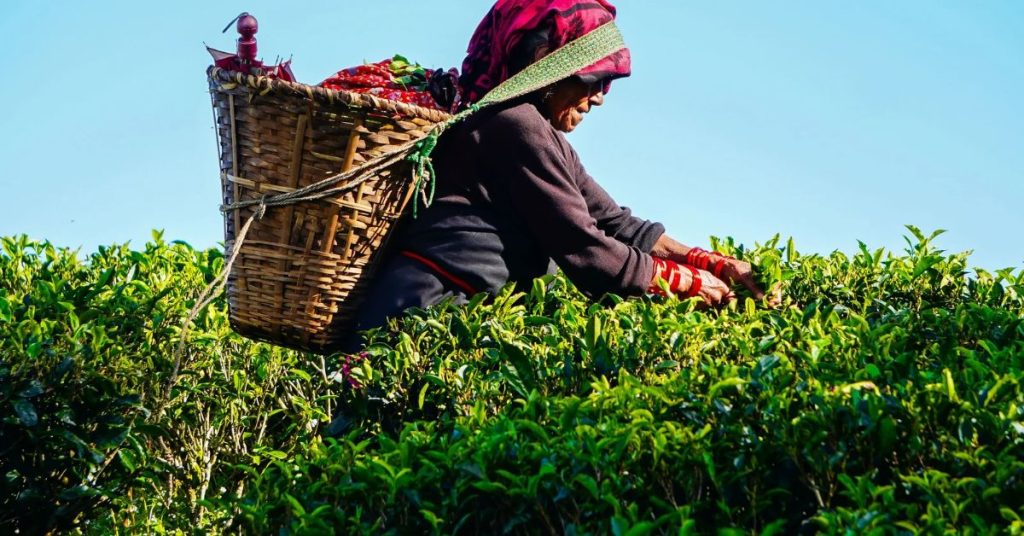
Tucked away in the rolling hills of Eastern Nepal, Ilam and Kanyam offer a lush, green winter alternative to the high Himalayan crags. Famous for endless rolling tea gardens (chiya bagaan), misty hillsides, and scenic countryside, this region showcases a quiet, charming side of rural Nepal.
Winter days here are cool, fresh, and often blanketed in dreamy morning fog. You can enjoy relaxed walks through fragrant tea estates, visit local processing factories, sample fresh high-country teas, and take in sunrise views over Mount Kanchenjunga from Antu Danda. It is a serene, off-the-beaten-path winter retreat.
Recommended stay: 2–3 days
15. Rara Lake: A Remote Himalayan Escape
For adventurous travelers seeking pure untouched solitude, Rara Lake in far-northwestern Nepal is the ultimate winter dreamland. As Nepal’s largest lake, its sapphire-blue waters sit quietly at 2,990 meters, encircled by snow-capped peaks and deep pine forests.
In winter, the landscape turns into a breathtakingly silent, icy wonderland. However, traveling here during the coldest months requires serious planning and flexibility. Sub-zero temperatures, limited lodge openings, and weather-dependent mountain flights into Juphal or Talcha mean you need to double-check all flight schedules, road conditions, and accommodation availability well in advance.
Recommended stay: 3–5 days (accounting for travel buffers)
Best Places to Visit in Nepal for Snowfall
If catching a fresh blanket of snow is high on your winter wishlist, Nepal has plenty of stunning spots to offer. However, it helps to keep a little flexibility in your plans! Snowfall in Nepal depends heavily on elevation, active winter weather systems (like Western Disturbances), and timing, meaning a destination’s general reputation for snow doesn’t automatically guarantee a snowfall on the exact day of your visit.
Here are the top places to consider if you want to experience Nepal’s magical winter snowscapes:
- Kalinchowk (Dolakha): Sitting at 3,842 meters, Kalinchowk is easily one of the most reliable and popular choices for a snowy getaway from Kathmandu. When a winter weather front passes through between December and February, Kuri Village and the surrounding ridge transform into a winter wonderland filled with snow play and bonfires.
- Chandragiri Hills: Located right on the rim of the Kathmandu Valley, Chandragiri (2,551m) is super convenient for a quick day trip. When cold winter conditions align, a brief dusting of snow turns the hilltop temple complex and cable car ride into a magical experience.
- Phulchowki Hill: Rising to 2,782 meters as the highest peak around the Kathmandu Valley, this heavily forested hill is a classic spot for locals seeking fresh snow. A strong winter cold spell can coat its rhododendron and oak branches in white.
- Nagarkot and Dhulikhel: While both of these hill stations are primarily famous for sweeping sunrise vistas over the Himalayas, temporary winter cold fronts can occasionally bring a light, picturesque dusting of snow to their higher ridges.
- Shivapuri and Kakani: Situated along the northern edge of the valley, these lush hill areas offer crisp air and lovely winter walks. While snow is an occasional treat rather than a certainty, they make wonderful day escapes.
- Langtang Region: For travelers who want to pair snow with a proper mountain hike, the Langtang Valley offers dramatic alpine scenery. Trails here frequently see snow cover in deep winter, though you will need proper warm gear and trekking preparation for the freezing temperatures.
- Manang: Set high in the Annapurna region, Manang receives striking snow cover during the colder months. However, winter travel here can be challenging, as heavy snow may block high passes and lead to seasonal lodge closures.
- Everest Region: The high valleys around Namche Bazaar, Tengboche, and upper Khumbu feature dramatic, snow-draped Himalayan scenery throughout the winter. Keep in mind that this is a serious high-altitude trekking commitment rather than a casual snow excursion.
- Rara Lake: Tucked away in remote northwestern Nepal, Rara Lake surrounded by snow-covered pine forests looks like something straight out of a fairytale. Reaching it in winter requires careful planning, flexible travel buffers, and a bit of adventurous spirit.
- Mustang: Known for its unique, high-altitude rain-shadow terrain, the Mustang region offers stark cliffs and dry, dramatic landscapes. While it experiences severe winter cold, it does not reliably receive heavy snowfall compared to the main Himalayan slopes, giving it a distinct, arid winter charm.
Best Winter Treks in Nepal
Trekking through Nepal during winter is an incredibly rewarding experience, offering crisp blue skies, crystal-clear mountain panoramas, and quiet trails free from peak-season crowds. However, winter trekking is also more demanding. Freezing night temperatures, icy trail patches, deep snow at higher elevations, and shorter daylight hours mean that safety and preparation come first. It is essential to select a route that matches your experience level and physical fitness, check live trail reports, pack appropriate cold-weather gear, and consult professional local guides before setting out.
Here are some of the top winter trekking routes to consider, ranging from gentle cultural walks to high-ridge adventures:
- Ghorepani Poon Hill Trek: This classic short trek in the Annapurna foothills remains one of the best winter choices. Reaching a maximum altitude of 3,210 meters at the Poon Hill viewpoint, it rewards hikers with spectacular sunrise vistas over Dhaulagiri and Annapurna I. While trails are generally manageable, shaded forest sections can turn icy in the mornings, so sturdy boots and microspikes are highly recommended.
- Everest Cultural Trek: Rather than pushing all the way to Everest Base Camp in harsh winter conditions, an Everest Cultural Trek (or Everest View Trek) focuses on the lower Khumbu region. Maxing out around 3,867 meters near Namche Bazaar and the Everest View Hotel, this route offers breathtaking vistas of Mount Everest, Ama Dablam, and Lhotse while taking you through vibrant Sherpa villages, historic monasteries, and cozy teahouses without extreme high-pass exposures.
- Langtang Valley Trek: Located just north of Kathmandu, the Langtang Valley trek leads you through snow-frosted hemlock and oak forests into the heart of Tamang culture, framed by Langtang Lirung and over 70 glaciers. Reaching up to 3,870 meters at Kyanjin Gompa, winter conditions bring serene beauty, though deep snow higher up may require minor route adjustments or extra day buffers.
- Kathmandu Valley Cultural Trekking Trail: Ideal for beginners, families, or travelers tight on time, this low-altitude trail links historic hilltop settlements like Sundarijal, Chisapani, and Nagarkot (hovering around 1,800m–2,195m). It provides gentle daily walks, charming rural hospitality, and panoramic Himalayan views with mild temperatures and minimal winter hazards.
- Mardi Himal Trek: Following a dramatic ridge directly beneath the iconic Machhapuchhre (Fishtail), Mardi Himal (reaching High Camp at 3,580m and Viewpoint at 4,200m) is a favorite for experienced, well-prepared trekkers. In winter, the snow-draped ridge offers surreal views, but icy paths, steep drop-offs, and partial lodge closures at higher camps make proper winter gear, thermal layers, and expert guidance essential.
A Note on Demanding High-Altitude Routes: High-pass and extreme-altitude itineraries—such as Everest Base Camp (5,364m), the Annapurna Circuit (Thorong La Pass, 5,416m), Manaslu Circuit (Larke Pass, 5,106m), Tilicho Lake (4,919m), and Gosainkunda (4,380m)—are significantly more strenuous in winter. Sub-zero temperatures (often dropping below -15°C at night), heavy snowdrifts blocking passes, avalanche risks, and closed teahouses mean these routes require advanced high-altitude experience, proper acclimatization schedules, valid permits (ACAP, MCAP, TIMS, or Restricted Area Permits), and real-time local updates before attempting.
Best National Parks to Visit in Winter
Nepal’s national parks and protected reserves offer incredibly diverse landscapes in winter. While lowland jungle parks in the Terai enjoy pleasant, sunny days perfect for wildlife safaris, high-altitude mountain parks present dramatic snowy wilderness that requires careful planning.
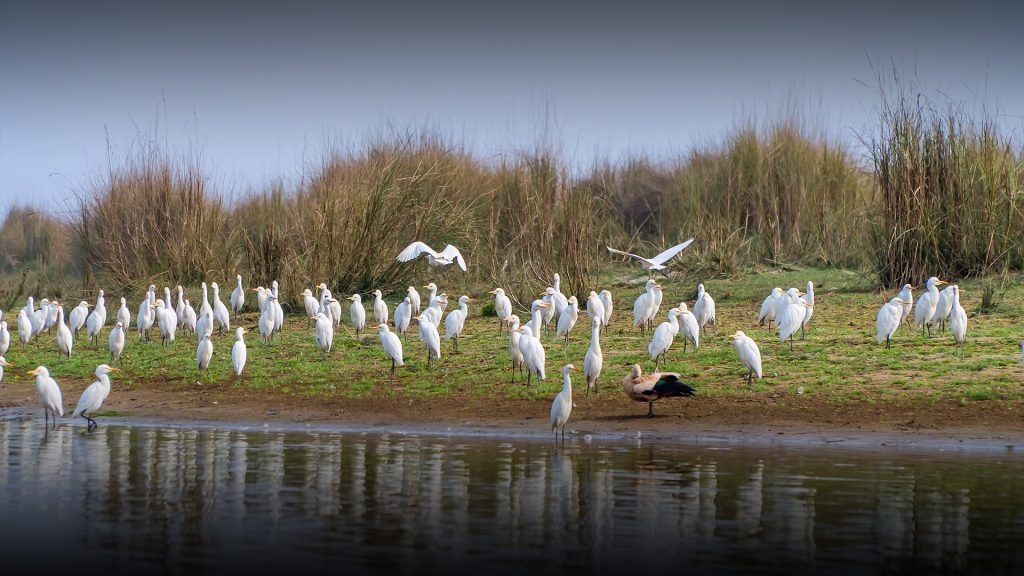
Here are the top national parks and wildlife reserves to explore during the winter months:
- Chitwan National Park: As Nepal’s premier lowland sanctuary, Chitwan is a joy to visit in winter. Cool mornings give way to comfortable, sunlit afternoons, making jeep safaris, tranquil river canoeing, and guided forest walks exceptionally pleasant. The thinning winter foliage improves your chances of spotting the iconic Greater One-horned Rhinoceros, wild elephants, gharials, and lush birdlife along the Rapti River.
- Bardia National Park: Tucked away in Nepal’s western Terai, Bardia offers an authentic, uncrowded jungle experience for wildlife enthusiasts. The mild winter climate is ideal for guided jungle walking safaris and private jeep excursions, with naturalist guides tracking the secretive Royal Bengal Tiger, wild elephant herds, and swamp deer across riverine forests and open grasslands.
- Koshi Tappu Wildlife Reserve: Located in eastern Nepal along the Sapta Koshi River, this vast wetland reserve is Nepal’s ultimate birdwatching haven. Winter is the prime season here, as thousands of migratory waterfowl, waders, and raptors fly in from Siberia and Central Asia to join the resident wild water buffaloes (Arna) across the marshlands.
- Rara National Park: Enclosing Nepal’s largest liquid sapphire lake in the remote northwest, Rara National Park is a breathtaking high-altitude winter destination. While the snow-dusted pine forests and frozen lakeshore vistas are stunning, winter visitors must navigate sub-zero temperatures, potential mountain flight delays, and limited lodge operations.
- Khaptad National Park: Renowned for its rolling moorlands, sacred spiritual sites, and dense alpine forests, Khaptad in far-western Nepal turns into a quiet, snow-covered realm in winter. However, heavy snowfall can cover walking trails and freeze local water sources, so visits require thorough logistics, self-sufficiency, and advance verification of open services.
Weather in Nepal During Winter
Winter weather in Nepal varies significantly depending on where you travel. The country’s dramatic geography means that while low-lying jungle plains enjoy warm, sunny afternoons, high-mountain passes face deep freezing conditions.
| Destination | Typical Winter Experience |
| Kathmandu | Cool mornings and evenings, with pleasantly mild, sunny afternoons. |
| Pokhara | Generally milder than Kathmandu, enjoying warm sunshine and cool, comfortable mornings. |
| Chitwan | Warm and sunny daytime conditions, cooler nights, and occasional morning jungle mist. |
| High Himalayan Regions | Freezing temperatures (often dropping below -15°C at night), heavy snowfall, and challenging trail conditions. |
For travelers looking at climate patterns, historical averages provided by Nepal’s Department of Hydrology and Meteorology (DHM) show what to expect during the core winter months:
| Destination | Average Maximum | Average Minimum |
| Kathmandu | 19.3°C | 3.0°C |
| Pokhara | 20.3°C | 7.7°C |
| Chitwan | 24.1°C | 8.3°C |
Top Things to Do in Nepal During Winter
Winter in Nepal opens up a wonderful variety of experiences, combining crisp mountain outdoor activities with relaxed cultural exploration. Here are some of the absolute best things to do during the season:
- Enjoy Himalayan Sunrise Views: Wake up early to catch the golden morning light on snow-capped peaks from famous viewpoints like Sarangkot, Nagarkot, or quiet mountain ridges.
- Explore Temples and Stupas: Wander through historic stone courtyards and ancient heritage sites under pleasant winter sunshine, including Pashupatinath, Swayambhunath, Boudhanath, and the iconic Durbar Squares of Patan and Bhaktapur.
- Go Boating on Phewa Lake: Take a peaceful wooden boat ride across Phewa Lake in Pokhara, enjoying mirror-like reflections of Machhapuchhre on clear winter days.
- Experience Wildlife Safaris: Head down to Chitwan or Bardia with an experienced guide for jeep safaris and river excursions to spot one-horned rhinos, wild elephants, and rich jungle wildlife.
- Go Birdwatching: Winter is the peak season for birdwatching in Nepal’s wetlands and forests, such as Koshi Tappu and Chitwan, where thousands of resident and migratory birds gather.
- Taste Seasonal Nepalese Cuisine: Warm up after a crisp day outdoors with cozy, comforting local food, from piping hot momo dumplings and rich thukpa noodle soup to nourishing dal bhat and sweet, spiced Nepalese tea.
- Explore Local Culture: Immerse yourself in authentic village life, visit local handicraft markets, explore traditional museums, and discover serene Buddhist monasteries.
- Try Adventure Activities: Take advantage of clear skies by trying tandem paragliding, high-wire zip-lining, or bungee jumping in destinations like Pokhara, provided weather conditions and operator schedules align.
What to Pack for a Winter Trip to Nepal
Because winter weather in Nepal ranges from warm daytime sun in the lowlands to sub-zero temperatures in the high mountains, smart packing comes down to versatile layering:
- Thermal Base Layers & Mid-Layers: Moisture-wicking thermal tops and bottoms, paired with a cozy fleece or insulating jacket.
- Outer Layers: A high-quality down jacket for chilly evenings, along with a windproof and waterproof outer shell.
- Warm Accessories & Footwear: A warm beanie or hat, insulated gloves, thick wool socks, and sturdy, comfortable walking or hiking shoes.
- Sun Protection: High-SPF sunscreen, protective lip balm, and UV-blocking sunglasses to shield against bright winter sun at higher elevations.
- Essentials & Gear: A reusable water bottle, personal medications, a daypack for daily excursions, and a reliable headlamp for early sunrise starts.
- For Trekking Routes: A rated cold-weather sleeping bag (down to -10°C or -20°C for high altitudes), trekking poles, and microspikes/traction grips if hitting icy trails.
- Travel Documents: Passport, necessary entry visas, and any required trekking permits (TIMS, ACAP, MCAP).
Pro Tip for Multi-Destination Travelers: If your itinerary combines the warm, humid plains of Chitwan with the chilly hill stations or mountain regions, remember to pack for two distinct climate zones! Light cottons and breathable layers work great for lowland safari days, while warm down jackets and thermals are essential for cold mornings and nights in the hills.
When Is Winter in Nepal?
In Nepal, meteorological winter generally spans from December through February, with the coldest conditions and lowest temperatures typically occurring in January.
However, when it comes to practical travel planning, high-altitude regions can feel distinctly winter-like as early as late November and well into March. While these shoulder months officially sit outside core winter, trekkers hitting higher elevations should still prepare for frosty mornings, freezing nighttime temperatures, and snow-dusted paths.
Can You Visit Nepal in December, January and February?
Yes, absolutely! Winter is a fantastic time to explore Nepal, provided your itinerary matches the season’s weather patterns. Rather than treating winter as one uniform season, it helps to understand how the vibe subtly shifts across the three core months:
- December: This is often one of the best winter months for travel. Skies are clear, daytime conditions are comfortable for cultural sightseeing in the valleys, and lowland wildlife safaris in Chitwan are delightful. Select lower and mid-altitude treks are also wonderfully peaceful with clear mountain views.
- January: This is typically the coldest month of the year. While daytime sunshine still warms the valleys, mornings and nights get crisp and freezing. High-altitude trekking becomes particularly demanding due to severe cold, deep snow, and occasional high-pass closures, making mid-elevation options and city breaks much more attractive.
- February: Winter conditions continue, but as the month progresses, temperatures slowly begin to rise. Lower elevations enjoy very pleasant, sunny days ideal for outdoor exploration, sightseeing, and low-altitude hikes before spring arrives.
Traveler’s Checklist: Before finalizing your winter itinerary, always double-check live highway/road conditions, domestic flight schedules (which can be affected by morning fog in the lowlands), trekking permit requirements, and seasonal accommodation availability.
How to Plan Your Winter Holiday in Nepal
Turning your destination inspiration into a smooth, seamless winter getaway comes down to matching your pace with the right locations, routes, and stays.
Choose Your Travel Style
Start by deciding what kind of experience you want to build your trip around:
- Culture & Heritage: Immerse yourself in the historic stupas, ancient Durbar Squares, and sunlit stone courtyards of Kathmandu, Patan, Bhaktapur, and Lumbini.
- Lakeside Relaxation & Mountain Vistas: Base yourself around Pokhara and Sarangkot for calm lake boating, crisp air, and front-row Himalayan sunrise views.
- Wildlife & Wilderness: Head south to Chitwan National Park for pleasant jungle safaris, river canoeing, and birdwatching in comfortable winter temperatures.
- Snow & Mountain Adventures: Experience winter snow play in Kalinchowk or embark on selected mid-altitude winter treks like Ghorepani Poon Hill or Mardi Himal.
Plan Your Route and Transfers
If your ideal trip combines Kathmandu, Pokhara, and Chitwan (Nepal’s classic “Golden Triangle”), make sure to build sensible buffer time into your travel schedule. Highway drives through the hills take time, and early morning winter mist in lowland regions can occasionally delay domestic flights. Reviewing an updated Nepal arrival guide and understanding regional hub connections via Airports in Nepal will help keep your onward transit stress-free.
Choose Accommodation That Complements the Journey
The right stay can elevate your entire trip, offering a warm, cozy sanctuary to return to after a day out in the crisp winter air. The Hotel Barahi portfolio offers five distinct properties tailored to different travel styles across Nepal’s key destinations:
- Hotel Barahi Kathmandu: Located conveniently near Thamel, this property serves as an elegant, serene base for exploring the capital’s historic temples, bustling markets, and cultural landmarks.
- Hotel Barahi Pokhara: Situated steps from Lake Fewa, this iconic stay offers classic lakeside comfort, lush gardens, and easy access to Pokhara’s main sights and dining strip.
- Sarangkot Mountain Lodge: Perched high on the ridge, this luxury retreat features floor-to-ceiling mountain views, private balconies, and cozy comfort, perfect for soaking in Himalayan sunrises.
- Aabas Pokhara: Ideal for modern, independent travelers, this stylish boutique hotel provides contemporary comfort right near the energy of Lakeside Pokhara.
- Barahi Jungle Lodge: Set along the Rapti River in Meghauli, Chitwan, this eco-luxury lodge immerses you in nature with expert-guided safari experiences, riverfront dining, and warm Tharu hospitality.
Selecting stays that align naturally with your route ensures a comfortable pace and a truly memorable winter journey.
Plan Your Winter Holiday in Nepal with Hotel Barahi
Winter reveals a deeply soulful side of Nepal, where crystal-clear blue skies, peaceful golden mornings, and crisp mountain air replace the hustle of peak season. Whether your journey takes you through the sunlit stone courtyards of the Kathmandu Valley, along the mirror-like waters of Phewa Lake in Pokhara, up to the breathtaking Himalayan sunrises of Sarangkot, or into the mist-draped jungles of Chitwan, winter allows travelers to explore at a remarkably comfortable and unhurried pace.
By carefully matching your travel style to the season, balancing warm lowland safaris, accessible mid-altitude treks, and rich cultural heritage, you can experience the very best of Nepal. With a thoughtful itinerary, flexible travel plans, cozy layered packing, and the warm hospitality of Hotel Barahi’s city, lakeside, mountain, and jungle retreats, your winter escape will be as seamless as it is unforgettable.
Frequently Asked Questions (FAQs)
Can I visit Nepal in December?
Yes, December is one of the best months to visit Nepal. The weather is dry, skies are remarkably clear for mountain views, and daytime temperatures in lower elevations like Kathmandu, Pokhara, and Chitwan remain mild and pleasant for sightseeing.
What is the best time to visit Nepal for snow?
The best time to experience snowfall in Nepal is during peak winter, specifically between late December and February. High-elevation hill stations like Kalinchowk and upper mountain valleys receive snow when winter weather systems pass through.
Is it safe to travel to Nepal in winter?
Yes, winter travel in Nepal is very safe. Lowland and mid-hill destinations enjoy comfortable conditions. For high-altitude treks, extra preparation is needed due to freezing temperatures and potential ice on trails, so traveling with experienced guides and proper gear is recommended.
Can I do the Everest Base Camp Trek in winter?
Yes, experienced and well-prepared trekkers can undertake the Everest Base Camp Trek in winter. However, temperatures at night drop significantly below freezing (often -15°C to -20°C), some high lodges close, and trails can be icy. Many travelers opt for the shorter Everest View Trek to Namche Bazaar for clear vistas with less extreme exposure.
How many days should I allow for a winter trip to Nepal?
A 7 to 10-day itinerary is ideal for covering Nepal’s classic spots (Kathmandu, Pokhara, and Chitwan) at a relaxed pace. If you wish to add a short winter trek or explore high-altitude destinations, allow 12 to 14 days to account for flexible travel buffers.
Where can we find snow in Nepal?
Snow is found consistently in high-altitude Himalayan regions like Everest, Annapurna, and Langtang. Accessible spots for a quick snow trip near Kathmandu include Kalinchowk, Chandragiri Hills, and Phulchowki Hill during active winter cold fronts.
Where is the coldest place in Nepal?
The high Himalayan districts—such as Mustang, Manang, Dolpa, and Humla, alongside upper Khumbu—are the coldest places in Nepal, with winter nighttime temperatures often dropping below -15°C to -25°C.
Which places in Nepal receive snowfall?
Places that regularly receive snowfall in winter include Kalinchowk (Dolakha), Kuri Village, the high ridges of Langtang, Manang, Mustang, the Everest region, and remote areas like Rara Lake. Nearby hilltops like Chandragiri and Phulchowki get occasional snowfall.
Is there snowfall in Kathmandu in winter?
No, snowfall inside the Kathmandu Valley floor is extremely rare. To see snow, you can take a short trip to surrounding high ridges like Phulchowki Hill, Chandragiri Hills, or drive to Kalinchowk.
Is winter a good time to visit Chitwan National Park?
Yes, winter (December to February) is a fantastic time to visit Chitwan. Daytime temperatures are comfortably warm (around 20°C–24°C), humidity is low, and the thinning canopy makes wildlife safaris and river birdwatching exceptionally enjoyable.
Do Indian citizens need a visa to visit Nepal?
No, Indian citizens do not require a visa to enter Nepal. However, they must carry a valid Indian Passport or an original Voter ID Card (Election Commission Card) to clear immigration upon arrival.
Can Indian rupees be used in Nepal?
Yes, Indian rupees are widely accepted across Nepal. Recent Nepal Rastra Bank regulations permit Indian and Nepali nationals to carry INR notes (including current ₹200 and ₹500 denominations) up to a total limit of ₹25,000 per person.
